Real vs AI Images Quiz: Which Image Is the Fake?
Side by side, the difference is usually obvious. One at a time, it often is not, and that is exactly what this real vs AI images quiz trains. Four example pairs below show what separates a photograph from a generated picture: the pair is labelled, the resolution explains the give-away, and after that you play ten images on your own with one decision each. Free, in the browser, no account needed.
Three decisions of your own
Tap real or AI — the answer resolves immediately, no sign-up.
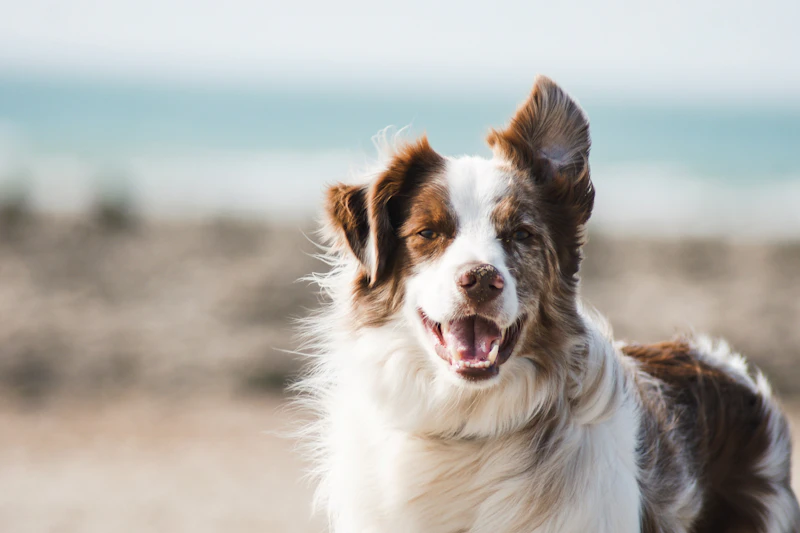
Four example pairs from our game
Left is the real photograph, right is the generated image. The resolution tells you what to look at.

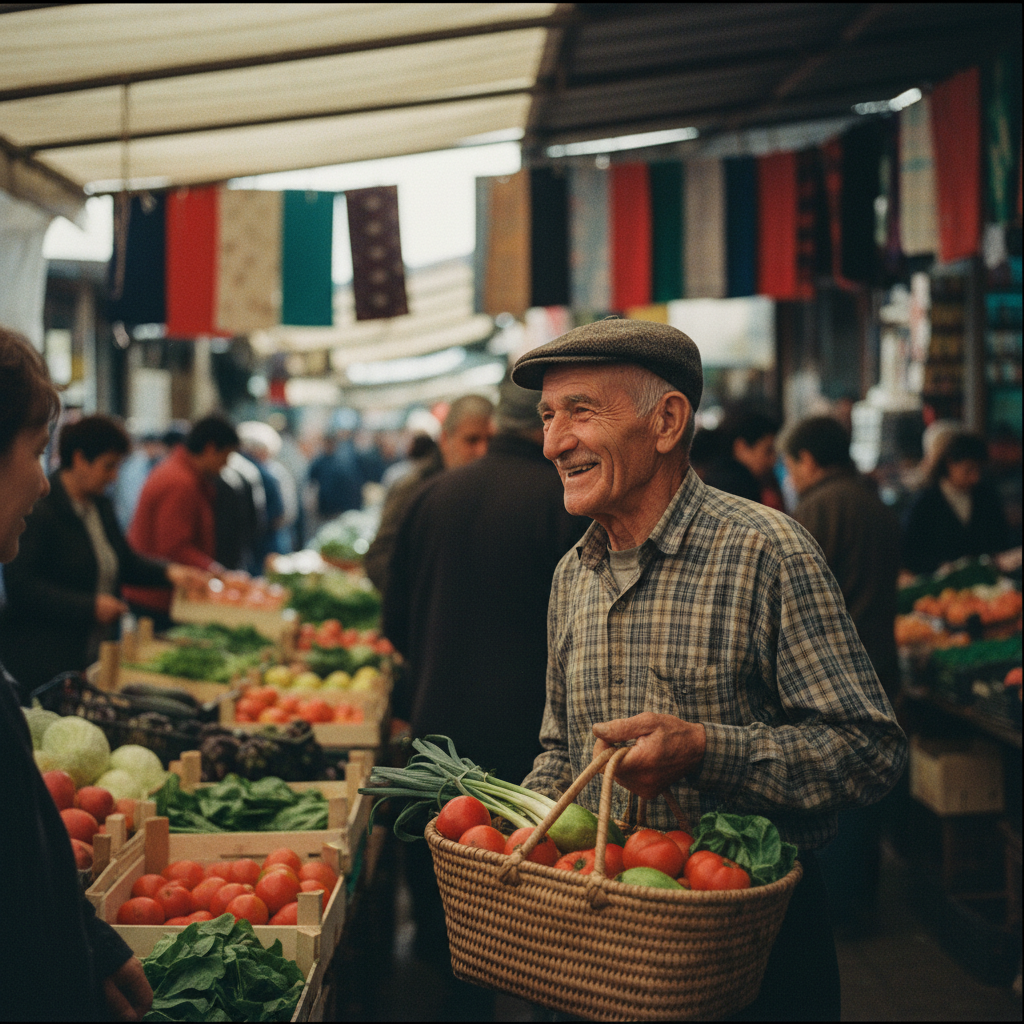
Pair 1: Markets are text-heavy, which is why the generated market gives itself away on the price cards: letters that read almost like words, digits that change style inside one number, and bouquets that repeat identically in the background.
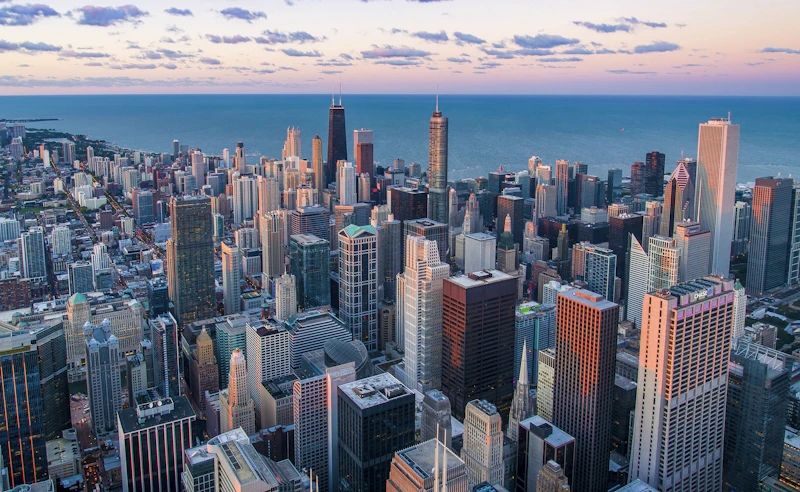
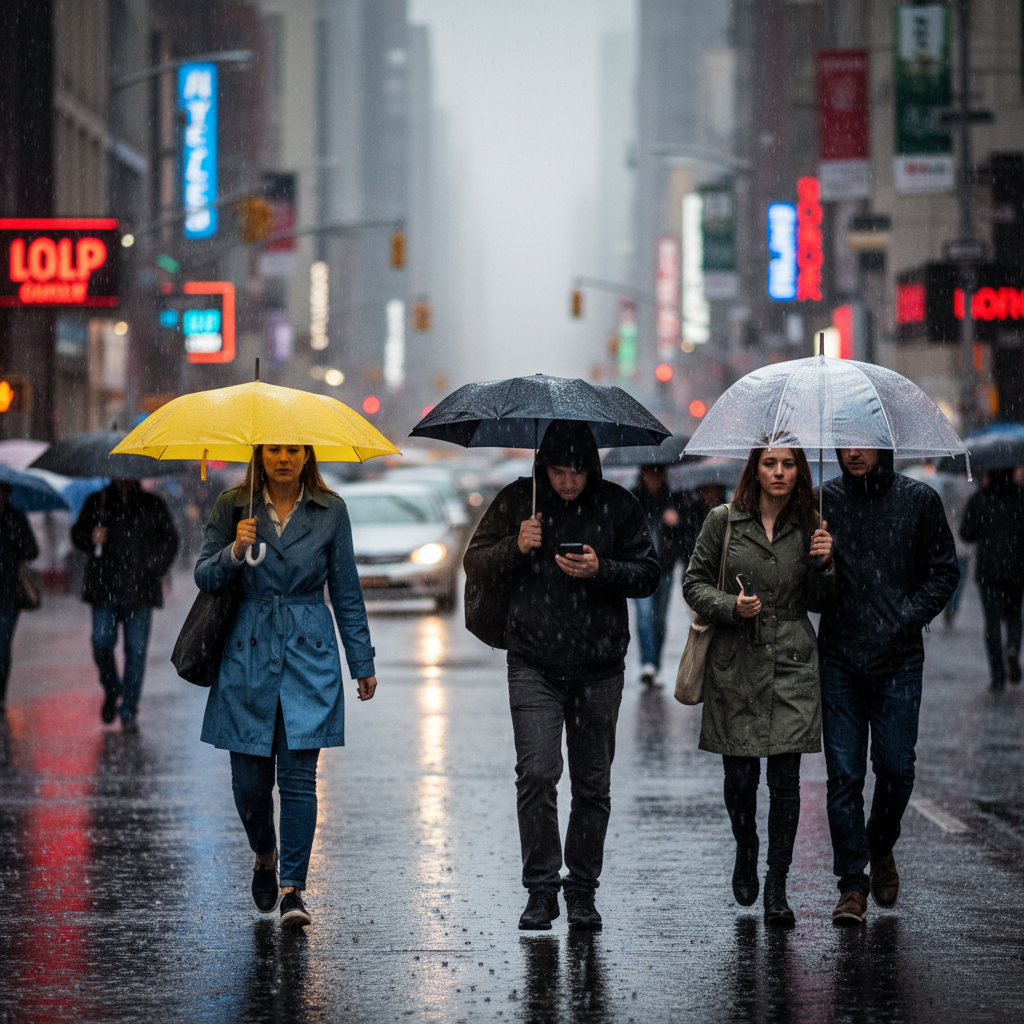
Pair 2: Follow the shop fronts on the generated side: sign lettering wobbles, window frames drift out of line, and the pedestrians behind the main subject have faces that are soft shapes rather than features.

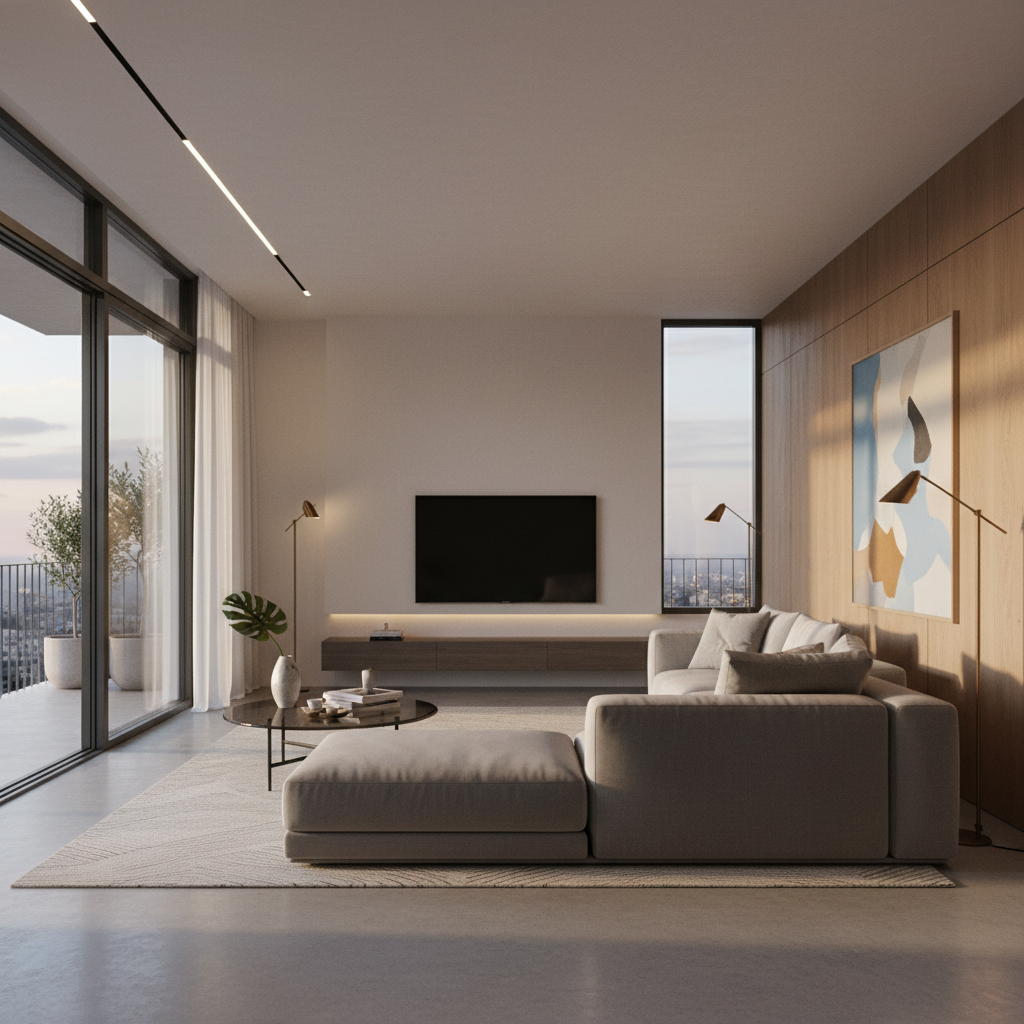
Pair 3: The room is the tell, not the furniture. Glass on the generated side reflects nothing recognisable, the lamp and the window light fall in two different directions, and the cushion seams merge into the fabric.

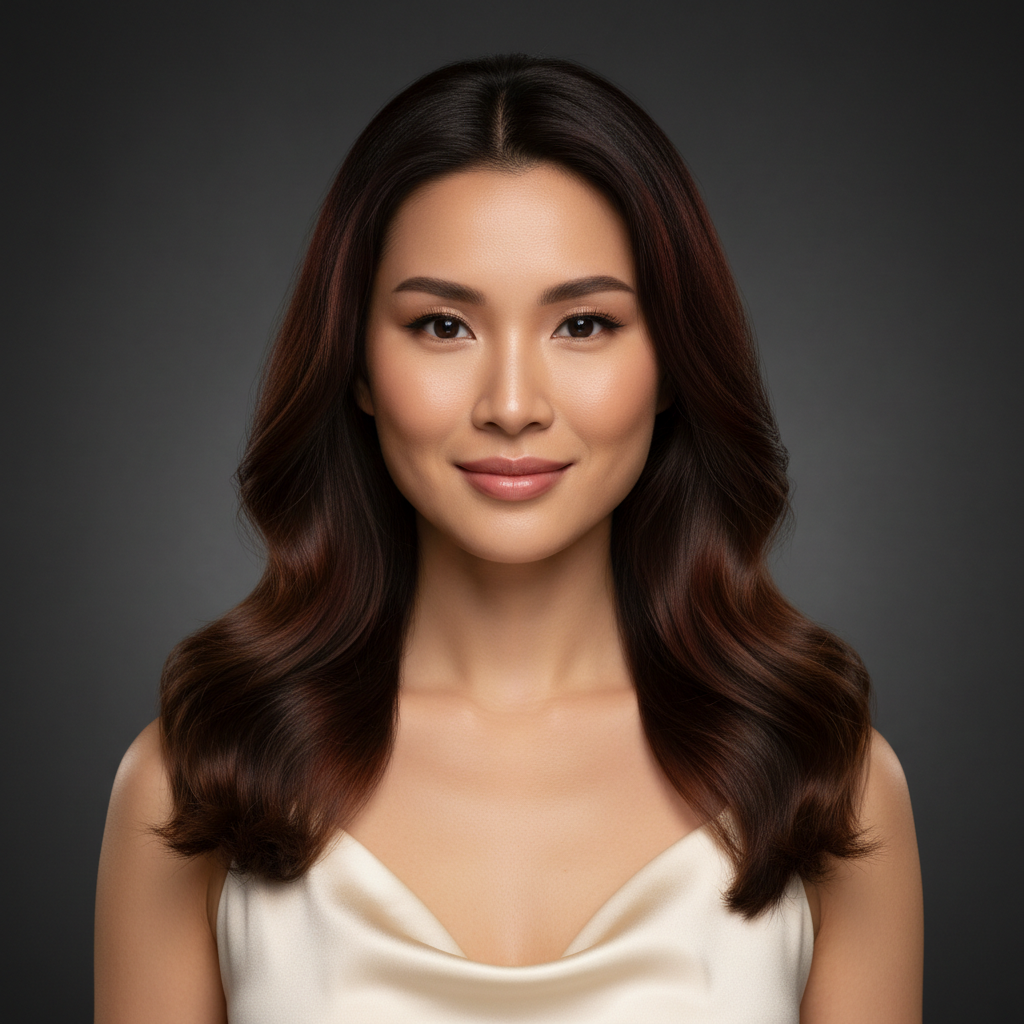
Pair 4: Compare skin and light. The surfer carries grain and uneven tone in hard daylight; the generated portrait has skin without pores and hair meeting the cheek in one smooth edge.
How to spot AI-generated images
Running the pairs above teaches the order faster than any description, but these are the five checks behind every resolution on this page.
- Hands and wrists. Look for too many fingers, too few, or a wrist that bends where no wrist bends. Then check the grip: an object should be held, not fused with the palm.
- Lettering. Signs, labels and screens should carry words in one typeface with consistent spacing. Text that almost spells something is the most common failure in generated pictures.
- Reflections. Glass and water must repeat the world in front of them. If a window shows a different room, or no room at all, you have your answer.
- Background structure. Line up window frames, railings and tiles. Generated rows drift, and identical objects begin to repeat at the wrong interval.
- Skin texture. Pores, freckles, stubble and uneven colour are normal. Perfectly even skin in a scene with harsh light is not.
Pairs show the clues. The game removes the comparison.
How good are players really?
Pairs feel easy; single images do not. In recorded games, players solve far fewer images than they expect when the comparison is gone, and the results cluster between five and nine out of ten rather than at the top.
These figures come straight from the recorded games:
Finished games
758
Average score
85%
Hardest image
Not enough image answers yet
Updated automatically from recorded games.
Eight or more on your own is ahead of the middle group.
Frequently asked questions
Is there a free AI or not quiz?
Yes, this one. The real vs AI images quiz and the ten-round game are free, with no account and no download.
How does a real or not quiz actually help?
It makes your own bias visible: repeated rounds show whether you mark real photos as AI or miss generated ones.
Which image is AI when both look plausible?
The one that fails two checks at once: text that almost reads, a reflection that does not match, or a background row that drifts.
Why pairs instead of single images?
A pair shows the difference once, so the next single image is easier. That is why the page opens with comparisons and then drops you into the game without them.
You might also like
Start the full game
Ten images, one decision each, points for speed and accuracy. Free, no account needed.
PlayWir nutzen lokalen Speicher für Betrieb, Sicherheit und Spielfortschritt. Mit „Alle akzeptieren" erlaubst du zusätzlich Werbung (Google AdSense), die Cookies setzen kann. Details in der Datenschutzerklärung.