Real vs AI photos: what actually differs
A real photo and an AI image can look almost identical, because the difference is not in the style but in the origin: a camera records light that was really there, a generator produces what a photo of a scene usually looks like. This comparison shows where that difference leaves visible traces, where it does not, and how to compare two pictures of the same scene.
Two origins, one similar look
A camera works with a lens, a sensor and a shutter: it captures the light that happened to be in front of it, at a specific moment, with a specific exposure. An image generator works with patterns: it produces a result that matches what millions of photographs of similar scenes look like.
That is why the two are not opposites in appearance. Both aim at a plausible photograph. The difference becomes visible where “usually” is not enough: at strict rules like text, hands and reflections, in unusual situations, and in the small disorder of a real moment.
What real photos usually carry with them
Genuine photographs contain the traces of how they were made. None of these traces is guaranteed, but together they form what a real picture tends to look like:
- Motion blur, grain and noise, especially in low light
- Accidental framing: something cut off at the edge, a passer-by in the background
- One consistent light direction that all shadows and highlights follow
- Depth of field that follows optics: sharp where focused, soft in front of and behind that plane
- Wear and disorder: rust, dust, wrinkles, tangled cables
- Sometimes technical metadata or content credentials that record camera and edits
Keep in mind: A clean studio photo shows none of this, and metadata is stripped by almost every social network and screenshot — so these are tendencies, not proofs.
What AI images tend to do
Generated images reproduce the average of the photographs they were trained on. That average is tidy:
- Everything fully visible and neatly arranged, nothing accidentally cut off
- Even, flattering light without a clear single source
- Skin, fabric and food that look smoother than the material allows
- Text that looks like writing but forms no readable word in any language
- Reflections that show the wrong thing, or nothing at all
- Repetition: identical windows, identical faces in a crowd
- No metadata and no file history before the upload
Keep in mind: These are tendencies, not rules. Current models avoid many of them on purpose, and real photos can show all of them.
Where the comparison breaks down
Real and AI are not two sealed boxes. A genuine photo edited with generative fill has both origins. A product photo is cleaned up until it looks synthetic. A phone snapshot is computed from several exposures, denoised and sharpened, and can end up with edges and textures that resemble generated images.
The direction that surprises people most: at high difficulty, AI images are built to look like unpolished snapshots, with grain, slight underexposure and motion blur. The stylistic evidence people rely on is now reproduced deliberately.
why no single clue settles a caseHow to compare two images of the same scene
When the same event appears in two pictures, the comparison is often more informative than either image on its own:
- Compare the geometry: are windows, doors, shadows and the position of the people identical?
- Compare the reflections: do both versions show the same thing in glass, water and sunglasses?
- Compare the sharpness: is one version sharper in a way the optics cannot explain?
- Compare the framing: is one version cropped exactly where an object would have been difficult?
- Compare the files: do both carry the same metadata or provenance information?
Keep in mind: A difference is a question, not an answer. Two photographers at the same event, a re-crop and different camera settings all produce differences without anyone faking anything.
What to do with the result
Decide on a confidence level instead of true or false: certainly AI, probably AI, unsure, probably real. “Unsure” is a legitimate result and the honest one whenever your only evidence is a style impression.
If you want to practise the difference, the quiz shows you both kinds of images and gives you the answer after every round — that is where you find out whether your intuition about real and AI photos holds up.
try the AI or real image quizA single feature is not proof. Real photos also show smooth surfaces, blurry lettering and brightened shadows. Treat every clue as a reason to check origin and several observations together.
 Real photo
Bicycle in an alley
Worn paint, rust at the joints, a casually cropped edge: traces of use and an accidental framing are typical of a genuine photo.
Photo: Unsplash (curated shot from the quiz pool)
 AI image
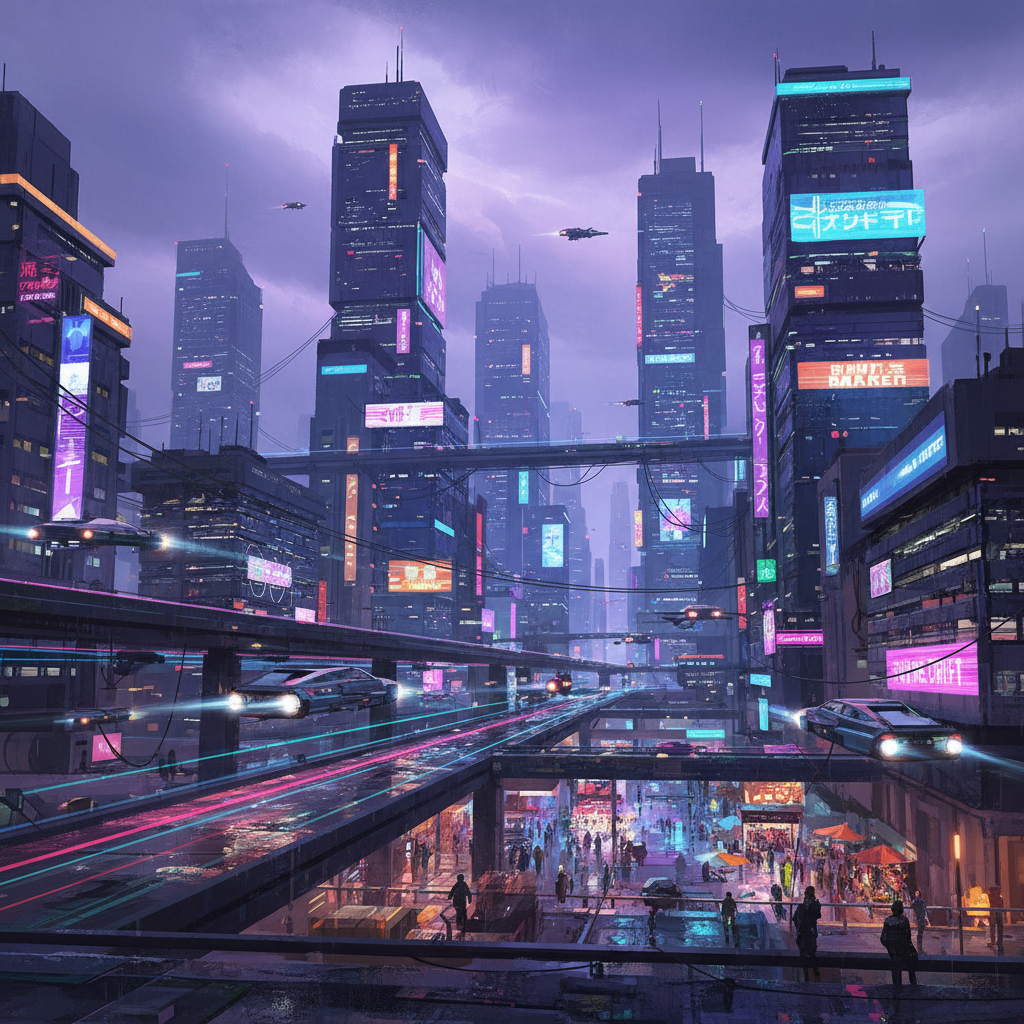
Neon city at night
The neon lettering looks like writing but forms no readable word, and the city matches no real place. Text and invented locations are usually the fastest hints.
AI image: generated for this project (media.base44.com)
 AI image
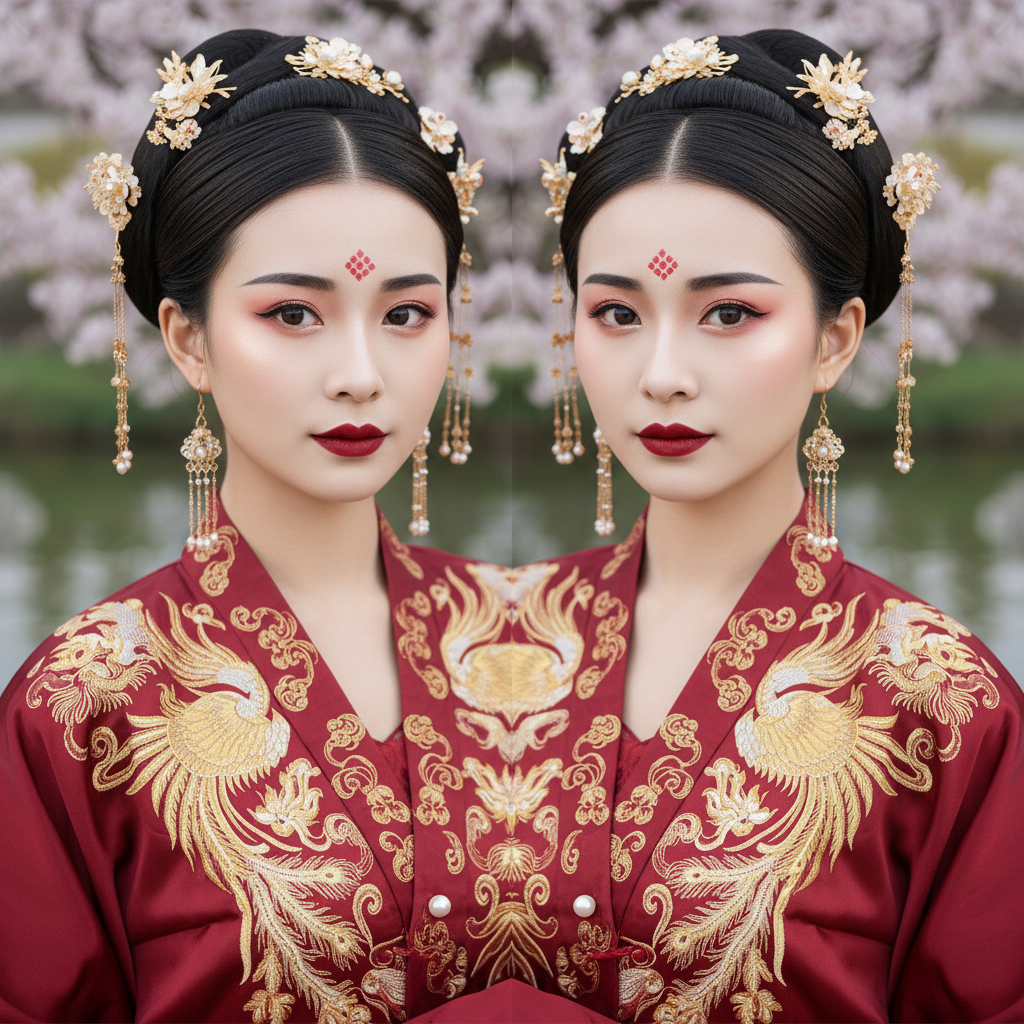
Portrait
Pleasant, even light, everything fully visible, nothing accidentally cut off. That tidiness is a tendency of generators — and also exactly what a good studio shot looks like.
AI image: generated for this project (media.base44.com)
 Real photo
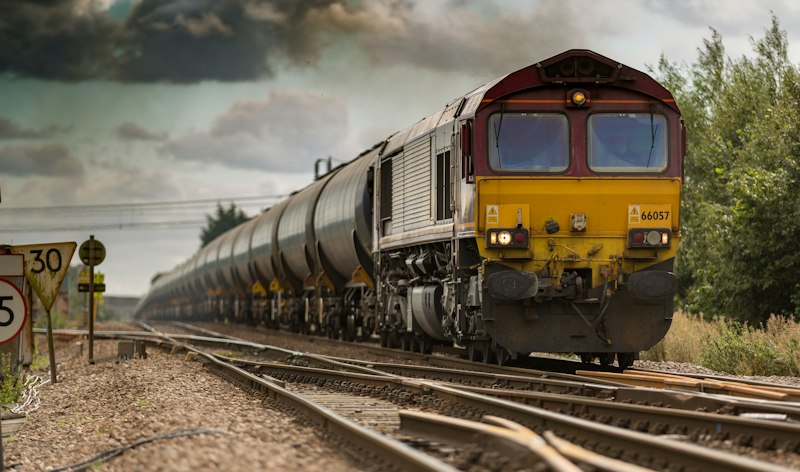
Station
Many people, overlapping edges, nobody posing for the camera. That disorder happens when a camera is pointed at a real, crowded scene — generators tend to tidy it up.
Photo: Unsplash (curated shot from the quiz pool)
Frequently asked questions
Do AI images always look too smooth?
No. That was true of earlier models. Current ones can produce grain, blur and unpolished light on purpose, because that is what photographs look like.
Can a real photo contain AI parts?
Yes. Generative fill and retouching tools are ordinary editing now. Such an image has a real core and generated sections, so the question “AI or real” no longer has a single answer for it.
Does missing metadata mean the image is AI?
No. Most platforms delete metadata when you upload, and screenshots never carry it. Only existing provenance information is informative — never its absence.
What is the fastest way to compare a real photo with an AI image?
Compare geometry and light first. If shadows, reflections and positions are consistent across both pictures, you are probably looking at the same real scene; if one version is tidy where the other is messy, look closer.
Key takeaway
Real photos and AI images differ in origin, not in style. Compare geometry, light, reflections and provenance — and name your confidence instead of forcing a verdict.
Practise with feedback
Every game has ten images: five real photos and five AI images. After each guess you see the answer, so you learn while you play. Free, no account needed.
Play the quizMore guides
How to Tell if a Photo Is AI-Generated: 6 Practical Checks
How to tell if a photo is AI-generated: six checks in the order that helps — source, first impression, details, physics and tools, plus where each clue fails.
How AI-generated images are actually created
Training data, the diffusion process and the polished look: why generators win at smooth surfaces and fail at strict rules.
How reliable is AI detection? Detectors, metadata and watermarks
What detectors really measure, why missing watermarks prove nothing, how to check suspicious voice messages and manipulated images.
Wir nutzen lokalen Speicher für Betrieb, Sicherheit und Spielfortschritt. Mit „Alle akzeptieren" erlaubst du zusätzlich Werbung (Google AdSense), die Cookies setzen kann. Details in der Datenschutzerklärung.