Borderline cases: the images nobody can decide
Between an obvious AI image and a normal photograph lies a large group of pictures that cannot be settled by looking: heavily processed real photos, AI images that imitate snapshots, screenshots of screenshots. This guide goes through five of these cases, says why each one resists a verdict, and what to do instead of guessing.
Why borderline cases exist
The question “real or AI?” assumes two clearly separated groups. In practice the origin is often mixed: a real photo with a generatively filled background, a phone snapshot computed from several exposures and then denoised, an AI image that was compressed, screenshotted and re-uploaded.
Every one of those steps removes evidence and adds artefacts. After three rounds of compression and re-upload, the traces of the original origin are largely gone. That is not a gap in your ability to see — it is a gap in the material.
Keep in mind: When origin information is gone, “I cannot tell” is not a defeat but the honest result. Anyone claiming certainty about such a picture is guessing.
Case 1: a real photo that looks generated
Modern phone cameras compute. They combine several exposures, brighten shadows, sharpen aggressively and smooth noise. The result can look exactly like the polished output of a generator: even light, no grain, edges that appear too clean.
What helps here is not a closer look but a different question: where does the picture come from, who published it first, and is there a second photo of the same scene taken by someone else?
the direct comparison of real photos and AI imagesCase 2: an AI image that copies a camera
Some generated images are deliberately made to look like imperfect snapshots: slight underexposure, film grain, a tilted horizon, motion blur in the corners. Everything people learned to rely on as a clue is reproduced on purpose.
Against such images, stylistic arguments fail. What remains is content logic: does the scene exist, is the lettering readable, do the shadows follow one light source, does the geometry of the room hold together?
Case 3: lettering that proves nothing on its own
Unreadable text is one of the most reliable hints — and at the same time a classic misjudgement. Real photos of signs, shop windows and menus are frequently blurred, cropped, photographed at an angle or written in a script you cannot read.
The fair test is not “can I read it?” but “does this look like writing that failed, or like writing that is simply out of focus and foreign?” The distinction is fine, and that is exactly why it stays a hint.
Case 4: hands, and why they became less useful
Hands were the classic giveaway, because fingers follow strict anatomical rules. Current models handle them well, and at the same time real hands get blurred by movement, hidden behind objects or covered by gloves.
So hands are still a good place to look, but a failed look at hands is no evidence in either direction.
Case 5: the screenshot of a screenshot
Most people do not see images in their original form but as a screenshot of a social post, forwarded through a messenger, saved and shared again. Screenshots strip metadata, content credentials and often resolution.
That means the most common form of circulating image is precisely the one that carries no verifiable origin — which is why provenance questions have to be asked of the posting account, not of the file.
Keep in mind: Missing metadata proves nothing: no messenger and no social network passes camera data on.
What to do instead of guessing
Name your confidence in levels rather than forcing a verdict: certainly AI, probably AI, unsure, probably real. Then ask for the original, check who published the image first, look for independent reports, and treat the picture as a claim until the claim is corroborated.
- Ask for the original file instead of judging the copy
- Check the publishing account: does it show a history, or was it created last week?
- Look for the same scene from another source — a second photographer is strong evidence for a real scene
- Say “unsure” out loud when you are unsure, and be careful with public accusations
How experts actually decide
In practice, professionals rarely decide by staring at details. They work with corroboration: several independent sources, the earliest publication date, a known photographer, a venue that confirms the event. Inspection supplies hints; corroboration supplies answers.
This is also the honest takeaway of this whole learning area: no single feature — not text, not hands, not grain, not metadata — proves that an image was generated. Several independent observations together, plus verifiable origin, move you from suspicion to a defensible judgement.
what detectors, metadata and watermarks can and cannot doA single feature is not proof. Real photos also show smooth surfaces, blurry lettering and brightened shadows. Treat every clue as a reason to check origin and several observations together.
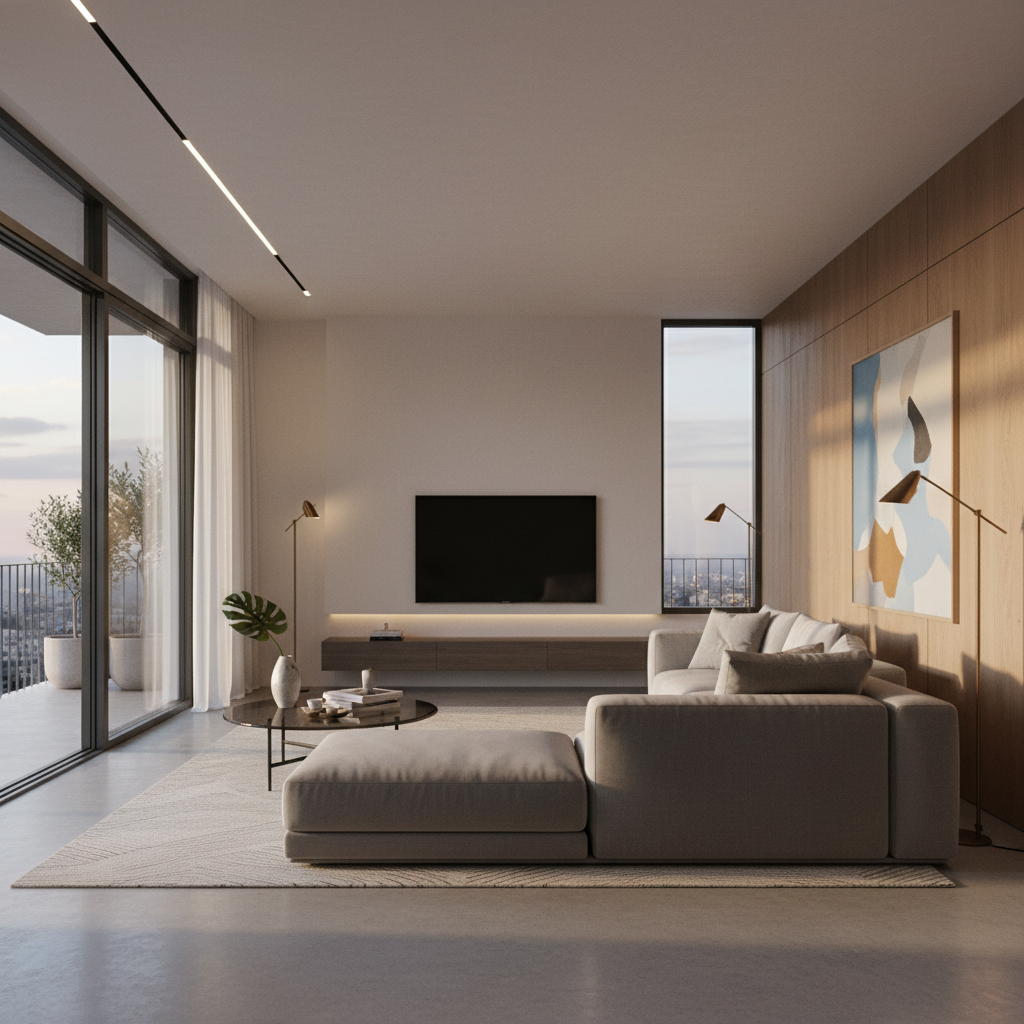 AI image
Living room
A generated interior can look like a real-estate photo: cleanly lit, tidy, friendly. That is exactly why appearance alone is a weak argument here — origin and further clues decide.
AI image: generated for this project (media.base44.com)
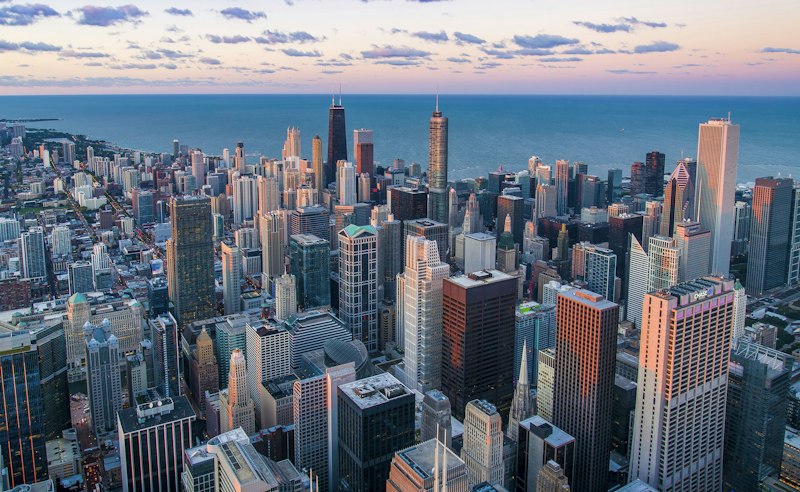 Real photo
City street
A real photo that can look synthetic after editing: high contrast, strong saturation, sharpened edges. Whoever judges by look alone will call shots like this generated.
Photo: Unsplash (curated shot from the quiz pool)
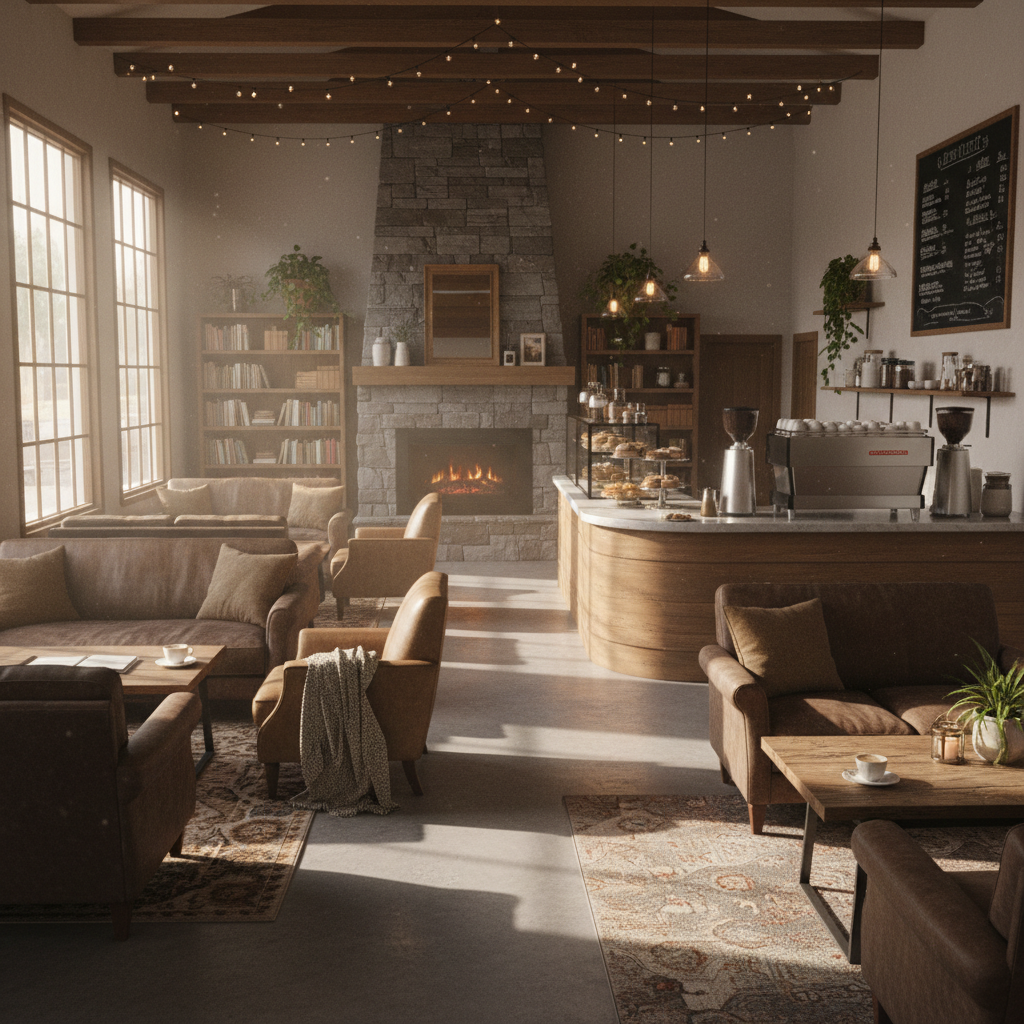 AI image
Café
Signs, menus, chalkboards: text is expected everywhere there. If it looks plausible but forms no readable word, that is a strong hint — and still only a hint.
AI image: generated for this project (media.base44.com)
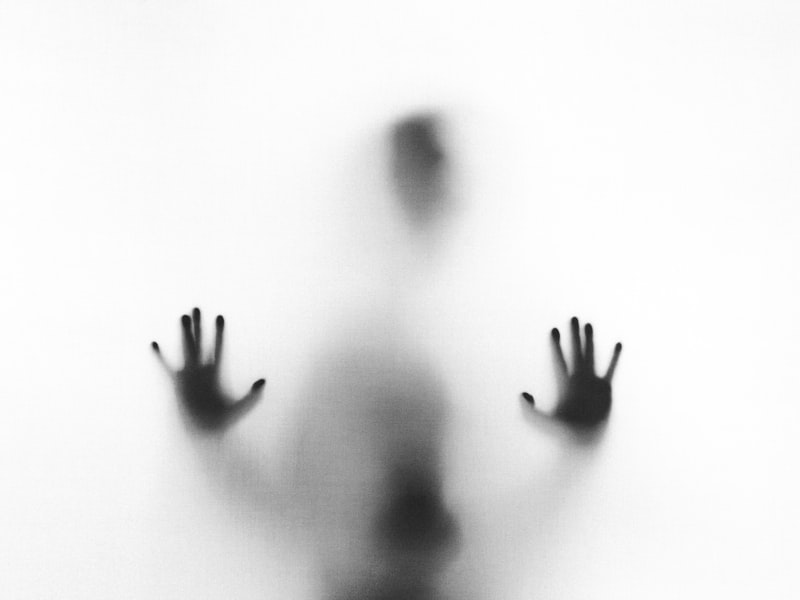 Real photo
Desert sand
Smooth surfaces are no sign of AI: sand, water and sky come out smooth in genuine photos too, especially with a long exposure. Smoothness alone says nothing about origin.
Photo: Unsplash (curated shot from the quiz pool)
Mini quiz
Mini quiz: three borderline decisions
Three situations from this guide. Each one has a defensible answer — and it is rarely the most confident-sounding one.
1. A photo shows a sunset over the sea. The contrasts are extreme, the sky glows unnaturally, the shadows are lifted. Is that proof of AI?
Frequently asked questions
Can a heavily edited real photo be distinguished from an AI image?
Often not by looking. Both can show unnaturally smooth surfaces, shifted colours and missing detail. Where origin information is gone, only the source and further corroboration can settle it.
Does missing metadata mean an image is AI?
No. Messenger apps, social networks, screenshots and simple edits remove metadata constantly. Missing metadata means information was lost, not that the image was generated.
Is “unsure” an acceptable answer in the quiz?
Yes, and in the daily challenge it is often realistic. The quiz measures how well your confidence matches your accuracy — not whether you always reach a verdict.
Key takeaway
Some images cannot be decided by inspection, because the traces were removed on the way — by editing, computing, screenshots and re-uploads. Check the origin, name your confidence, and remember that no single feature is ever proof.
Practise with feedback
Every game has ten images: five real photos and five AI images. After each guess you see the answer, so you learn while you play. Free, no account needed.
Play the quizMore guides
How to Tell if a Photo Is AI-Generated: 6 Practical Checks
How to tell if a photo is AI-generated: six checks in the order that helps — source, first impression, details, physics and tools, plus where each clue fails.
How AI-generated images are actually created
Training data, the diffusion process and the polished look: why generators win at smooth surfaces and fail at strict rules.
How reliable is AI detection? Detectors, metadata and watermarks
What detectors really measure, why missing watermarks prove nothing, how to check suspicious voice messages and manipulated images.
Wir nutzen lokalen Speicher für Betrieb, Sicherheit und Spielfortschritt. Mit „Alle akzeptieren" erlaubst du zusätzlich Werbung (Google AdSense), die Cookies setzen kann. Details in der Datenschutzerklärung.